

If you’re searching for a hearty, comforting dish that brings the whole family together, then Mary Berry Rugby Lamb might just become your new favorite. This recipe is all about tender lamb, roasted to perfection with vegetables, herbs, and a rich gravy that ties everything together. Inspired by Mary Berry’s timeless cooking style, Rugby Lamb is a celebration of flavor and tradition.
The focus keyphrase here—Mary Berry Rugby Lamb—captures not only the recipe itself but the spirit of shared meals. Imagine sitting down after a chilly afternoon walk or a Sunday family gathering, the smell of roasted lamb filling the kitchen. That’s exactly the kind of cozy comfort this dish delivers.
In this recipe blog post, I’ll guide you through everything you need to know: what makes this Rugby Lamb so special, tips for choosing the best ingredients, step-by-step cooking instructions, and even how to store leftovers (if there are any!). You’ll also find creative variations and troubleshooting tips in the FAQ section, so you can feel confident no matter your cooking experience.
Whether you’re preparing a Sunday roast, a holiday meal, or simply want to treat your loved ones to something extra special, Mary Berry’s Rugby Lamb is a recipe worth keeping in your rotation. By the end of this post, you’ll know exactly how to create a lamb roast that’s tender, juicy, and full of flavor—just the way Mary intended.
What Makes This Mary Berry Rugby Lamb Special?
-
Classic Mary Berry style: Simple, fuss-free, and full of flavor. No complicated steps—just wholesome ingredients and a straightforward method.
-
Perfect for gatherings: Rugby Lamb is designed to feed a crowd, making it ideal for family meals, Sunday roasts, or special occasions.
-
Time-saving tips: Prepping vegetables while the lamb marinates saves time. You can even prepare parts of the dish ahead.
-
Rich flavor profile: Slow roasting allows the lamb to absorb garlic, rosemary, and vegetables, creating a melt-in-the-mouth experience.
-
Versatile and adaptable: Whether you use leg of lamb, shoulder, or a smaller cut, the recipe works beautifully with small tweaks.
This isn’t just another lamb roast—it’s a centerpiece dish that combines Mary Berry’s practical approach with the flavors of a traditional British roast.
Ingredient Notes
Here’s a breakdown of the key ingredients in Mary Berry’s Rugby Lamb and why they matter:
-
Lamb (leg or shoulder, about 2 kg)
The star of the dish. A leg of lamb gives leaner slices, while a shoulder delivers richer, juicier meat. Choose what suits your taste. -
Garlic cloves (4–6, sliced)
Inserted into the lamb for bursts of flavor as it roasts. If you’re sensitive to garlic, reduce the amount or substitute with shallots. -
Fresh rosemary (3–4 sprigs)
The signature herb for lamb. It adds earthy notes and pairs perfectly with roasted meat. Thyme can be a substitute if needed. -
Carrots and parsnips (about 500 g each, chopped)
Root vegetables that caramelize beautifully, absorbing lamb juices. You can swap parsnips for sweet potatoes. -
Onions (2, quartered)
Form the flavor base for the gravy and roast. Red onions bring a sweeter edge if you prefer. -
Olive oil (3 tbsp)
Helps crisp the lamb’s skin and adds moisture. Sunflower oil or rapeseed oil are fine substitutes. -
Red wine (250 ml)
Creates depth in the gravy. You can use stock instead if avoiding alcohol. -
Lamb or beef stock (500 ml)
Essential for a rich, savory gravy. Vegetable stock works for a lighter version. -
Salt and black pepper
Simple seasoning, but crucial to bring out the best in the lamb.
Special equipment: A large roasting tin, sharp carving knife, and meat thermometer (helpful for perfect doneness).
How To Make Mary Berry Rugby Lamb
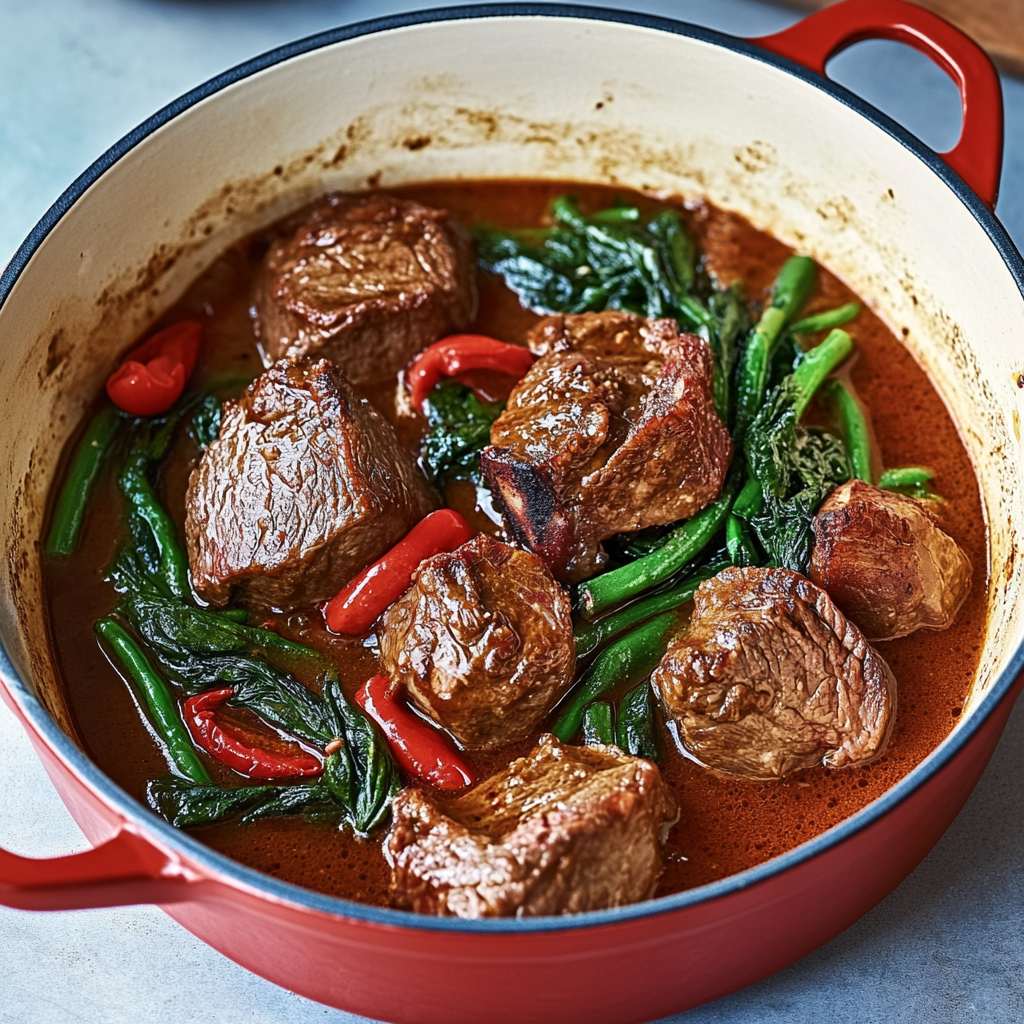
Follow these step-by-step instructions for the best results:
-
Preheat the oven to 200°C (fan 180°C, gas mark 6). Place a large roasting tin in the oven to heat.
-
Prepare the lamb. Pat the meat dry with paper towels. Make small incisions all over with a sharp knife. Insert garlic slices and rosemary sprigs into the cuts. Season generously with salt and pepper.
Tip: The more evenly spaced the incisions, the more balanced the flavor throughout the roast.
-
Brown the lamb. Heat 2 tbsp olive oil in a frying pan and sear the lamb on all sides until golden brown. This step locks in flavor and gives the roast a beautiful crust.
-
Assemble the roast. Place carrots, parsnips, and onions into the hot roasting tin. Drizzle with remaining olive oil. Place the lamb on top of the vegetables.
-
Roast the lamb. Cook at 200°C for 20 minutes to seal in juices. Reduce the temperature to 170°C (fan 150°C) and continue roasting for:
-
1 hour 20 minutes for medium-rare (internal temp 60°C)
-
1 hour 40 minutes for medium (65°C)
-
2 hours for well done (70–75°C)
Tip: Use a meat thermometer for accuracy—lamb is best slightly pink in the center.
-
-
Rest the meat. Remove the lamb from the tin, cover with foil, and let it rest for at least 20 minutes. This redistributes the juices.
-
Make the gravy. Place the roasting tin with vegetables on the hob. Pour in red wine and simmer for 2–3 minutes, scraping browned bits from the bottom. Add stock and simmer until reduced by half. Strain for a smooth gravy.
-
Serve. Slice the lamb against the grain and serve with roasted vegetables and gravy.
Storage Options
-
Room temperature: Keep carved lamb covered at room temp for up to 2 hours only.
-
Refrigeration: Store leftovers in an airtight container for 3–4 days.
-
Freezing: Freeze carved portions for up to 3 months. Wrap tightly to avoid freezer burn.
-
Reheating: Warm slices in foil at 160°C for 15 minutes, adding a splash of stock to keep moist.
Variations and Substitutions
-
Mediterranean twist: Add olives, cherry tomatoes, and oregano for a sunnier flavor profile.
-
Spiced lamb: Rub lamb with cumin, paprika, and coriander before roasting for a Moroccan feel.
-
Vegetable swap: Replace parsnips with butternut squash or sweet potatoes for a sweeter roast.
-
Dietary option: Use low-sodium stock and skip wine for a lighter, heart-friendly version.
-
Seasonal adaptation: In spring, pair with asparagus and baby potatoes; in winter, go with root veg and Brussels sprouts.
Frequently Asked Questions
Can I prepare Mary Berry Rugby Lamb ahead of time?
Yes. You can insert garlic and rosemary into the lamb up to 24 hours in advance. Keep covered in the fridge.
What cut of lamb is best for this recipe?
Leg of lamb is classic for carving, while shoulder gives richer, more tender meat.
Do I need a meat thermometer?
Not essential, but highly recommended for perfect doneness. Aim for 60°C (medium-rare), 65°C (medium), or 70–75°C (well done).
Can I make the gravy without wine?
Absolutely. Just use extra stock. For depth, add a teaspoon of balsamic vinegar.
Why is my lamb tough?
Most likely overcooking. Stick to the timing and use resting time to keep it juicy.
Can I cook this in advance for guests?
Yes—roast, rest, carve, and store slices with a bit of gravy in the fridge. Reheat gently before serving.
Conclusion
Mary Berry’s Rugby Lamb is more than just a roast—it’s a dish that turns a meal into an occasion. With tender lamb, roasted vegetables, and a rich gravy, it’s the kind of recipe that impresses without being complicated. Whether for a Sunday roast, a holiday dinner, or a special family gathering, this recipe is one you’ll come back to again and again.
I’d love to hear how yours turns out. Try Mary Berry’s Rugby Lamb this weekend, and share your experience in the comments. Did you go classic or try one of the variations? Either way, this is a dish worth celebrating.
PrintMary Berry’s Rugby Lamb Recipe: A Classic Roast with a Twist
- Prep Time: 20min
- Cook Time: 40min
- Total Time: 1 hour
- Yield: 6 servings 1x
Ingredients
-
2 kg leg or shoulder of lamb
-
4–6 garlic cloves, sliced
-
3–4 rosemary sprigs
-
500 g carrots, chopped
-
500 g parsnips, chopped
-
2 onions, quartered
-
3 tbsp olive oil
-
250 ml red wine
-
500 ml lamb or beef stock
-
Salt and black pepper
Instructions
-
Preheat oven to 200°C. Make incisions in lamb, insert garlic and rosemary. Season well.
-
Sear lamb in a pan with olive oil until browned.
-
Place vegetables in roasting tin, drizzle with oil. Put lamb on top.
-
Roast 20 minutes, reduce temp to 170°C. Cook 1 hr 20–2 hrs depending on doneness.
-
Rest meat 20 minutes before carving.
-
Make gravy with wine and stock in roasting tin. Strain and serve.
Notes
-
Use shoulder for juicier meat, leg for easier carving.
-
Swap red wine for extra stock if preferred.
-
Resting is crucial for juicy lamb.
Nutrition
- Calories: 520
- Sugar: 6 g
- Fat: 32 g
- Carbohydrates: 18 g
- Fiber: 3 g
- Protein: 42 g