
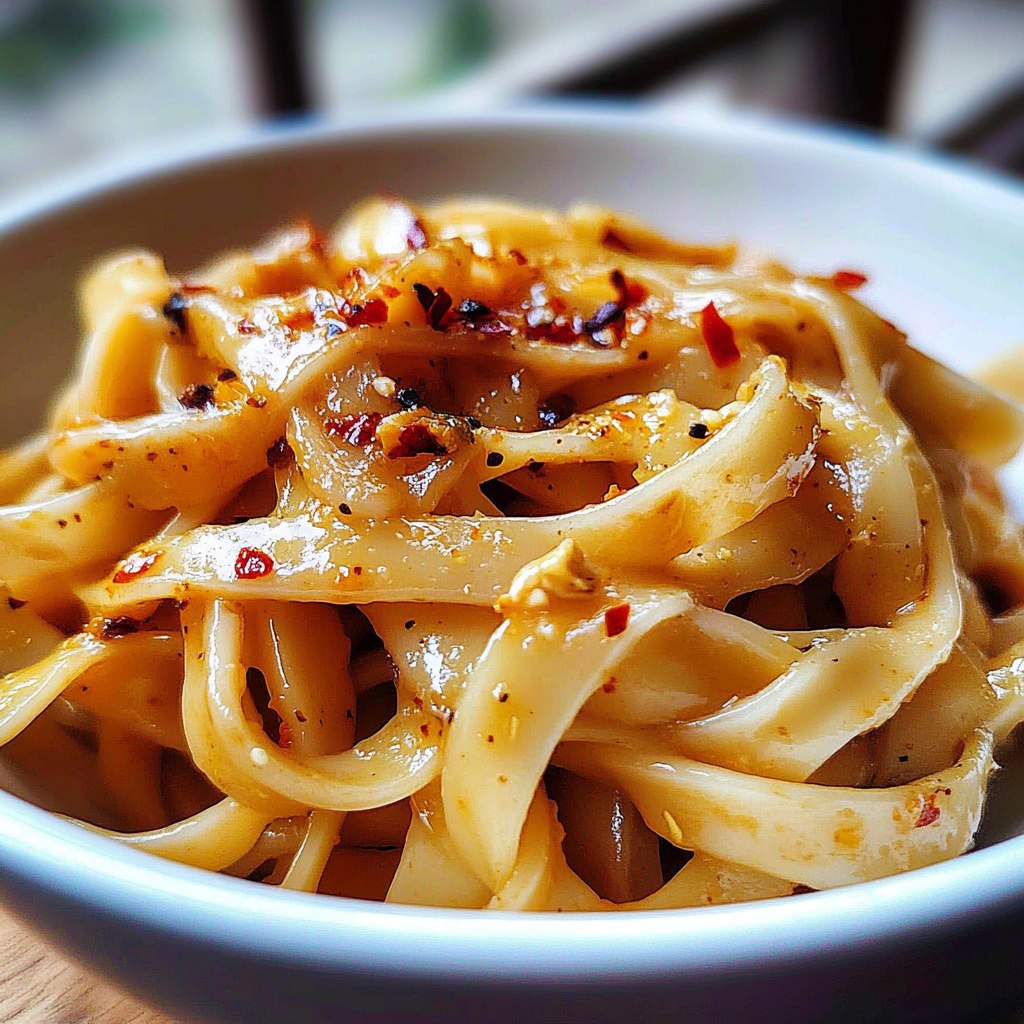
If you crave something bold, spicy, and utterly satisfying, you’re going to love this Aromatic Garlic Chilli Noodles with Soy and Vinegar. In just a few simple steps, tender noodles get tossed in a fragrant sauce made with garlic, chilli, soy sauce, and a splash of vinegar. The result is a harmonious blend of heat, umami, tang, and garlic—perfect for lunch or dinner when you want something that feels a little fancy but hardly takes any time.
This dish comes together in about 20 minutes—no complicated steps or rare ingredients. Whether you’re cooking for one or feeding a small group, these noodles shine as a standalone meal or paired with a simple side of steamed vegetables or greens. The garlic flavor is upfront, the chilli gives a warming kick, the soy adds depth, and the vinegar brightens the whole dish.
You’ll find that the sauce clings beautifully to each strand of noodle, so every bite is flavorful. And because you control the chilli heat, it’s easy to adapt. Try it as is, or build on it with extras like toasted sesame seeds, chopped scallions, or shredded chicken or tofu. Let’s dive into what makes this recipe special, how to make it step by step, and ideas for storing, varying, and troubleshooting it.
Prep time: 5 minutes | Cook time: 15 minutes | Total time: 20 minutes
Difficulty: Easy
Serves: 2–3 people
What Makes This Aromatic Garlic Chilli Noodles Special?
Here are the standout features that make this dish worth your kitchen time:
-
Powerful flavor with minimal effort — The bold garlic, chilli, soy, and vinegar combine to create a taste that feels gourmet without hours in the kitchen.
-
Balanced spice and tang — The heat from chillies is mellowed by vinegar’s brightness and soy sauce’s depth, giving you a complex, layered flavor.
-
Lightning-fast — In about 20 minutes start to finish, this is a go-to when you want something satisfying but fast.
-
Versatile base — You can easily add proteins (chicken strips, tofu, prawns) or vegetables (bok choy, bell peppers) to make it a fuller meal.
-
Sauce clings to every noodle — Because of the way we build and emulsify the sauce, it adheres well, giving you consistent flavor in every bite.
You should try this recipe if you love bold, spicy flavors but don’t want to slave over the stove. The techniques are simple—sautéing garlic and chilli, deglazing with soy and vinegar, and tossing noodles—all of which are easy to master with a little practice. A tip: when you toss noodles with the sauce while they’re still hot (off the heat), the noodles absorb the flavors better. (Quick tip: save a little noodle water to loosen the sauce if it seems too thick.)
Ingredient Notes
Here are the key ingredients, why they matter, and possible swaps you can make:
-
Noodles
Use 200 g of wheat noodles (e.g. Chinese egg noodles, lo mein, spaghetti in a pinch). They should be al dente so they don’t get soggy when tossed. You can also use whole-wheat noodles or rice noodles, but texture will differ. -
Garlic
Use 4–5 cloves, thinly sliced or minced. Garlic is the heart of this dish—gives aroma and flavor. If you dislike garlic, reduce to 2–3 cloves or use garlic powder in a pinch (about ½ tsp). -
Fresh chilli / chilli flakes / chilli oil
A fresh red chilli (deseeded for milder heat) or ½ to 1 tsp chilli flakes works well. Chilli oil is a shortcut—use about 1 tbsp and adjust. If you want it mild, use less or omit and just use a dash of paprika. -
Soy sauce (light / low-sodium)
Use 2 tbsp light soy sauce (or regular, but reduce added salt). This provides the salty, umami backbone. Tamari or coconut aminos may be used for gluten-free versions. -
Vinegar
Use 1½ tbsp rice vinegar (milder) or white wine vinegar. It adds brightness that cuts through the richness. If you lack either, use apple cider vinegar (milder) or white vinegar (use a bit less). -
Sesame oil
1 tsp toasted sesame oil adds a nutty finish. You can omit if unavailable, though the flavor will be less rounded. -
Sugar or honey
1 tsp of sugar (or honey) helps balance the heat and acidity. You can skip or reduce if you prefer sharper flavors. -
Vegetable oil / neutral oil
1 tbsp for sautéing the garlic and chilli. Use sunflower, canola, or any flavor-neutral oil. -
Optional add-ins / garnish
— Scallions or spring onions (thinly sliced) for freshness.
— Sesame seeds (toasted) for crunch.
— Shredded cooked chicken, tofu cubes, shrimp, or sautéed mushrooms to make it a full meal.
— A splash of noodle-cooking water to adjust sauce consistency. -
Equipment note
Use a wide skillet or wok so you can toss the noodles briefly without spills. A pair of tongs or chopsticks helps toss evenly.
How To Make Aromatic Garlic Chilli Noodles with Soy and Vinegar

Follow these steps carefully. Watch colors and textures. You’ll get a feel after one run.
-
Cook the noodles
-
Bring a large pot of salted water to a boil.
-
Add your noodles and cook 2 minutes less than package instructions (you want them slightly firm).
-
Before draining, reserve about ¼ cup (60 ml) of the noodle cooking water.
-
Drain and set aside.
-
-
Prepare the aromatics
-
While noodles are cooking, heat 1 tbsp neutral oil in a large skillet or wok over medium heat.
-
Add the sliced or minced garlic and chopped fresh chilli (or chilli flakes).
-
Stir continuously for about 30–45 seconds, until the garlic is fragrant and just beginning to turn golden (don’t burn it!).
-
Tip: if garlic browns too quickly, lower heat.
-
-
Build the sauce
-
Off the heat, add 2 tbsp soy sauce, 1½ tbsp vinegar, 1 tsp sugar, and 1 tsp toasted sesame oil into the skillet.
-
Mix well to let the ingredients emulsify.
-
If the sauce seems too thick, add 1–2 tbsp of reserved noodle water to loosen it.
-
-
Toss noodles with sauce
-
Return the skillet to low heat.
-
Add the drained noodles to the skillet.
-
Using tongs, toss noodles with sauce for 1–2 minutes until the noodles are evenly coated and absorb the flavors.
-
You’re looking for a silky sheen (not dry) and even coating.
-
-
Final touches and serve
-
Taste and adjust: add more soy if lacking salt, more vinegar if too rich, more chilli if mild.
-
Remove from heat.
-
Stir in sliced scallions and sprinkle toasted sesame seeds.
-
Serve immediately while warm.
-
Tips while cooking:
-
Toss quickly and confidently to avoid breaking noodles.
-
Keep an eye on garlic; overcooking gives bitterness.
-
Use noodle water as your “liquid buffer” if sauce gets tight or sticky.
-
Make sure noodles are hot when mixing so they absorb sauce better.
Storage Options
Room Temperature Storage
These noodles are best eaten fresh. At room temperature, leftovers should be consumed within 2 hours (especially in warm climates).
Refrigeration Guidelines
-
Transfer cooled noodles into an airtight container.
-
They stay good for 2–3 days in the fridge.
-
Note: the sauce may thicken or dry out a bit — add a splash of water before reheating.
Freezing Instructions
-
I don’t generally recommend freezing these noodles, since texture may suffer (they can become mushy).
-
If you must freeze: portion into freezer-safe containers, leaving minimal air, and freeze for up to 1 month.
-
Thaw overnight in fridge, then gently reheat (see below).
Reheating Tips
-
Reheat in a skillet over low to medium heat, adding a tablespoon or two of water or broth to loosen the sauce.
-
Alternatively, microwave in a covered dish, stirring halfway and adding water if too dry.
-
Avoid overheating—stop when noodles are just warmed through.
Variations and Substitutions
Here are creative ways to adapt or stretch this recipe:
-
Protein boost
Add cooked shredded chicken, sautéed prawns, or pan-fried tofu. You can toss them in during the final mixing step. -
Vegetable versions
Throw in blanched bok choy, julienned carrots, bell pepper strips, mushrooms, or spinach while tossing. Adjust sauce accordingly. -
Nutty twist
Stir in a spoonful of smooth peanut butter or tahini into the sauce for a nutty, creamier profile (adds richness). -
Gluten-free / vegan
Use rice noodles or gluten-free noodles; swap soy sauce with tamari or coconut aminos. Skip honey (use sugar or maple syrup for sweetness). -
Seasonal adaptations
-
Summer: add thin slices of cucumber or fresh bean sprouts on top for crunch
-
Autumn/Winter: toss in roasted squash or roasted sweet potato cubes
-
-
Alternate flavor combos
-
Use lime juice instead of vinegar for a citrus twist
-
Use black vinegar for a deeper, smoky tang
-
Add a pinch of ground Sichuan pepper for numbing heat
-
Incorporate fresh herbs (cilantro, basil) at the end for brightness
-
Frequently Asked Questions
Q: Can I use dried garlic or garlic powder instead of fresh?
A: Yes, but fresh garlic delivers stronger aroma and flavor. If using garlic powder, start with ½ tsp and adjust. The dish will be milder and less aromatic.
Q: My sauce is too thick or sticky. What can I do?
A: Add reserved noodle-cooking water, a little at a time, until the sauce loosens to coat the noodles. The starchy water helps emulsify.
Q: Can I make this ahead of time?
A: You can prep the sauce and aromatic mix ahead, and cook noodles just before serving. But mixing too early may cause noodles to soak up all sauce and become dry.
Q: How to adjust heat level?
A: Reduce chilli amounts, deseed fresh chillies, or omit chilli altogether. Increase gradually. You can also include chilli on the side so diners add their own heat.
Q: Why are my noodles clumping or not coating evenly?
A: Likely the noodles are too cool or sauce too thick. Toss while warm. Use oil to help separate strands. Add a splash of water to improve coating.
Q: Can I substitute rice vinegar for another vinegar?
A: Yes—apple cider vinegar is a mild swap; white wine vinegar works too (use a bit less). Stronger vinegars like distilled white should be diluted.
Q: How long do leftovers keep?
A: In the fridge, eat within 2–3 days. Reheat carefully and add water if too stiff.
(Optional) Related Recipes You Might Like
-
Spicy Sesame Noodles with Peanut Sauce
-
Garlic Butter Udon with Greens
-
Soy Sesame Cold Soba Noodles
Warm Conclusion
Thank you for cooking along with me on this Aromatic Garlic Chilli Noodles with Soy and Vinegar journey. I hope this dish becomes one of your favorites for nights when you want bold flavor with minimal fuss. It’s versatile, fast, and packs punch in every bite. Try it, tweak the heat, add your favorite veggies or proteins—and please share your results or questions. Happy cooking!
PrintAromatic Garlic Chilli Noodles with Soy and Vinegar

- Prep Time: 5min
- Cook Time: 15min
- Total Time: 20min
- Yield: 2–3 servings 1x
Ingredients
-
200 g wheat noodles (egg noodles, lo mein, or spaghetti)
-
4–5 cloves garlic, thinly sliced or minced
-
1 red chilli (deseeded) or ½–1 tsp chilli flakes
-
2 tbsp light soy sauce
-
1½ tbsp rice vinegar (or white wine vinegar)
-
1 tsp sugar (or honey)
-
1 tsp toasted sesame oil
-
1 tbsp neutral oil (sunflower, canola)
-
Optional garnishes: sliced scallions, toasted sesame seeds
-
Optional add-ins: tofu cubes, cooked chicken, vegetables
Instructions
-
Cook noodles: Boil noodles salted, 2 minutes less than pack instructions. Reserve ¼ cup noodle water, drain.
-
Aromatics: Heat 1 tbsp oil over medium heat. Sauté garlic + chilli 30–45 seconds until fragrant (don’t burn).
-
Make sauce (off heat): Add soy sauce, vinegar, sugar, sesame oil. Stir; add 1–2 tbsp noodle water if too thick.
-
Toss noodles: Return to low heat. Add noodles; toss 1–2 minutes until evenly coated and silky.
-
Serve: Adjust seasoning, stir in scallions, sprinkle sesame seeds. Serve hot.
Notes
-
Use noodle water to loosen the sauce
-
Toss while noodles are hot for better absorption
-
Adjust chilli / vinegar to your taste
-
Add proteins or veggies for more substance
-
Best eaten fresh, but leftovers keep in fridge 2–3 days
Nutrition
- Calories: 350 kcal
- Fat: 8 g
- Carbohydrates: 60 g
- Protein: 8 g